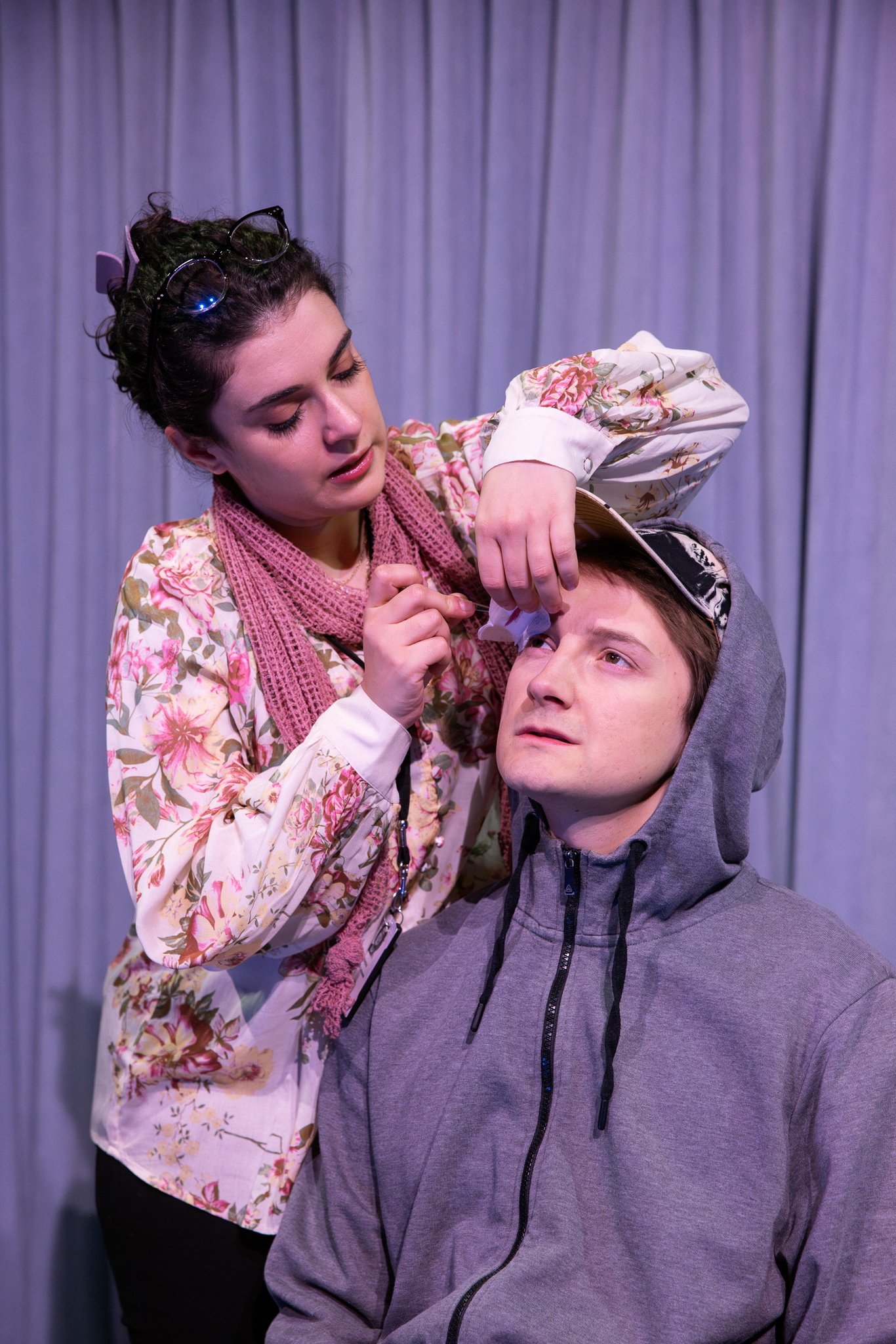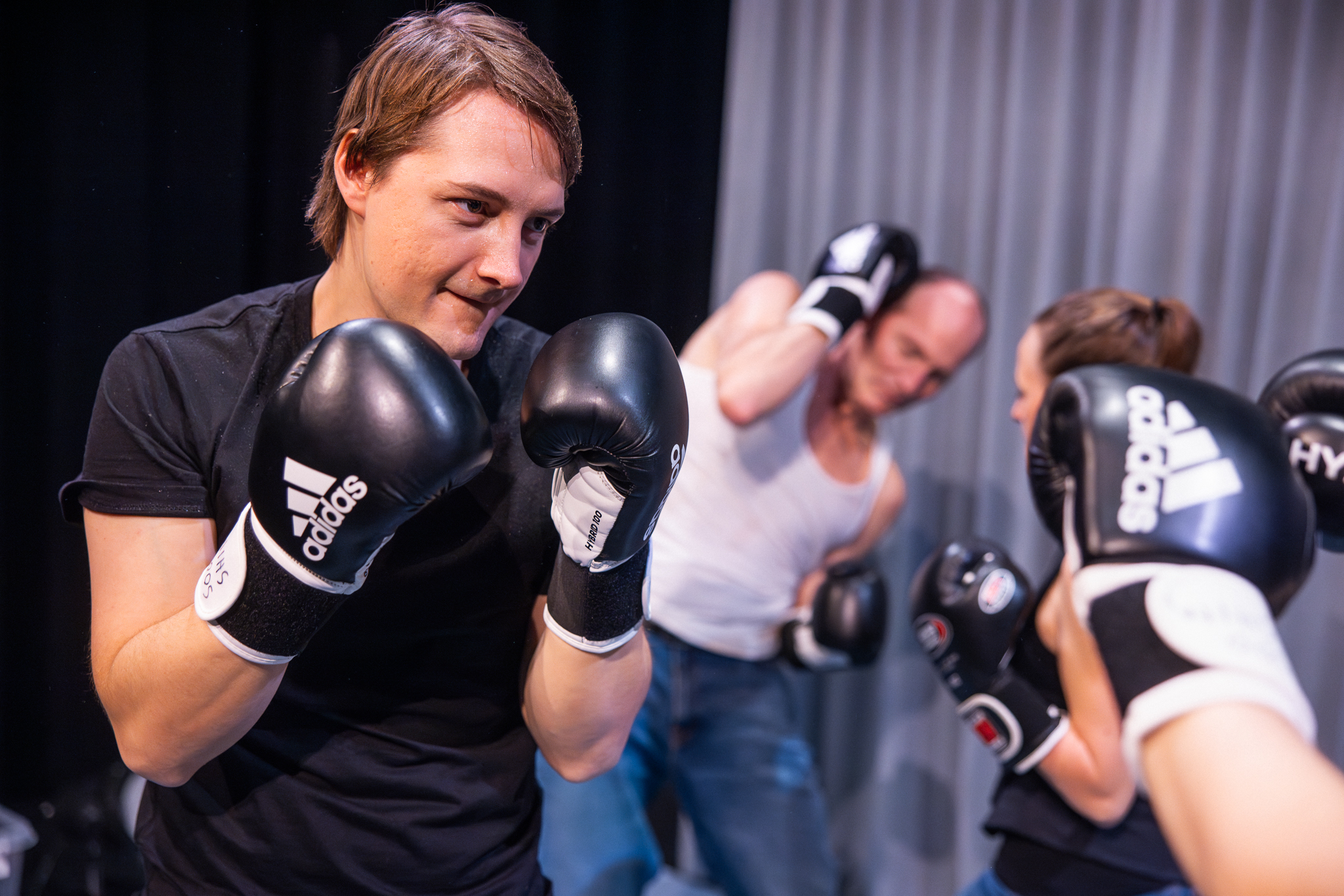

What is violence?
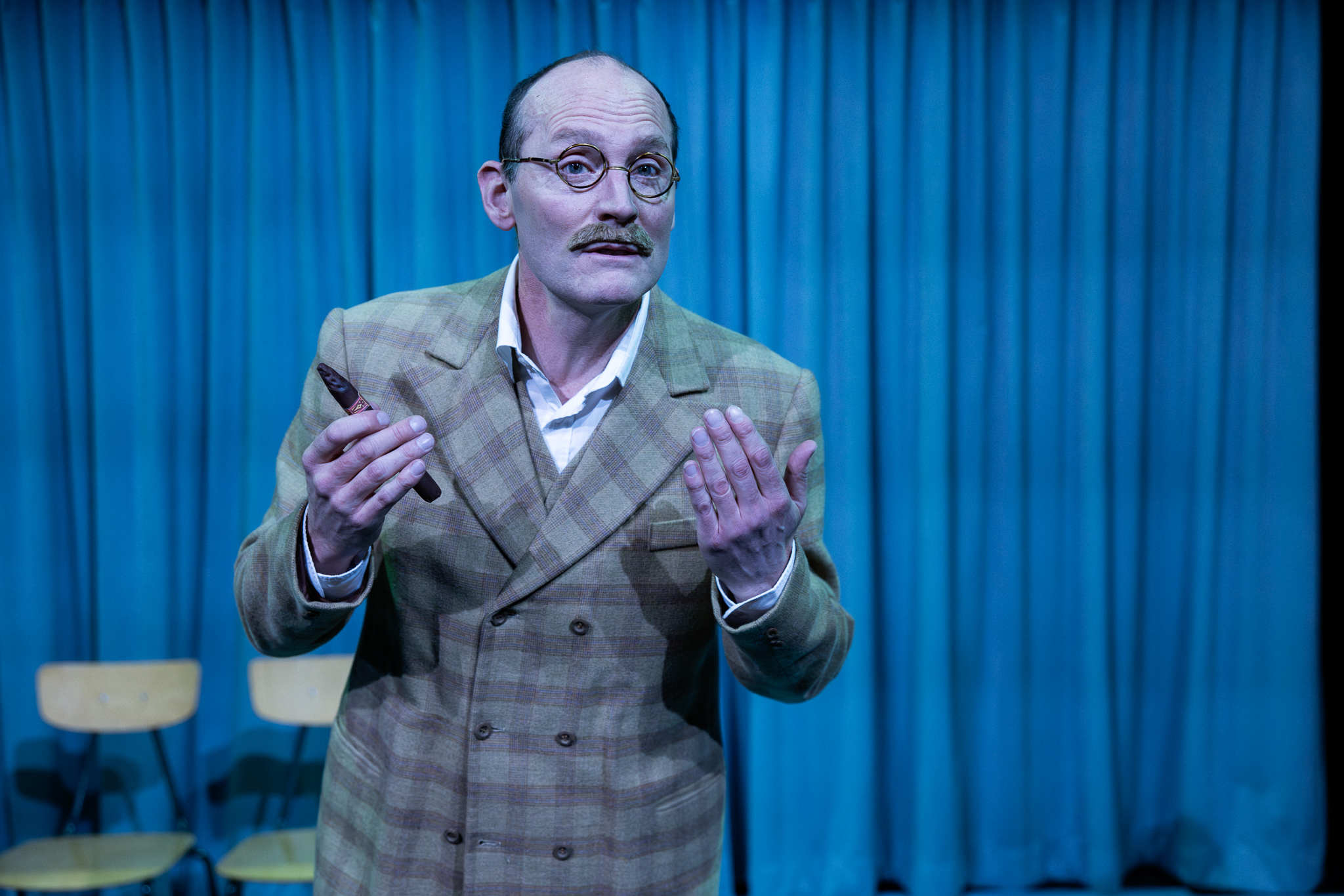
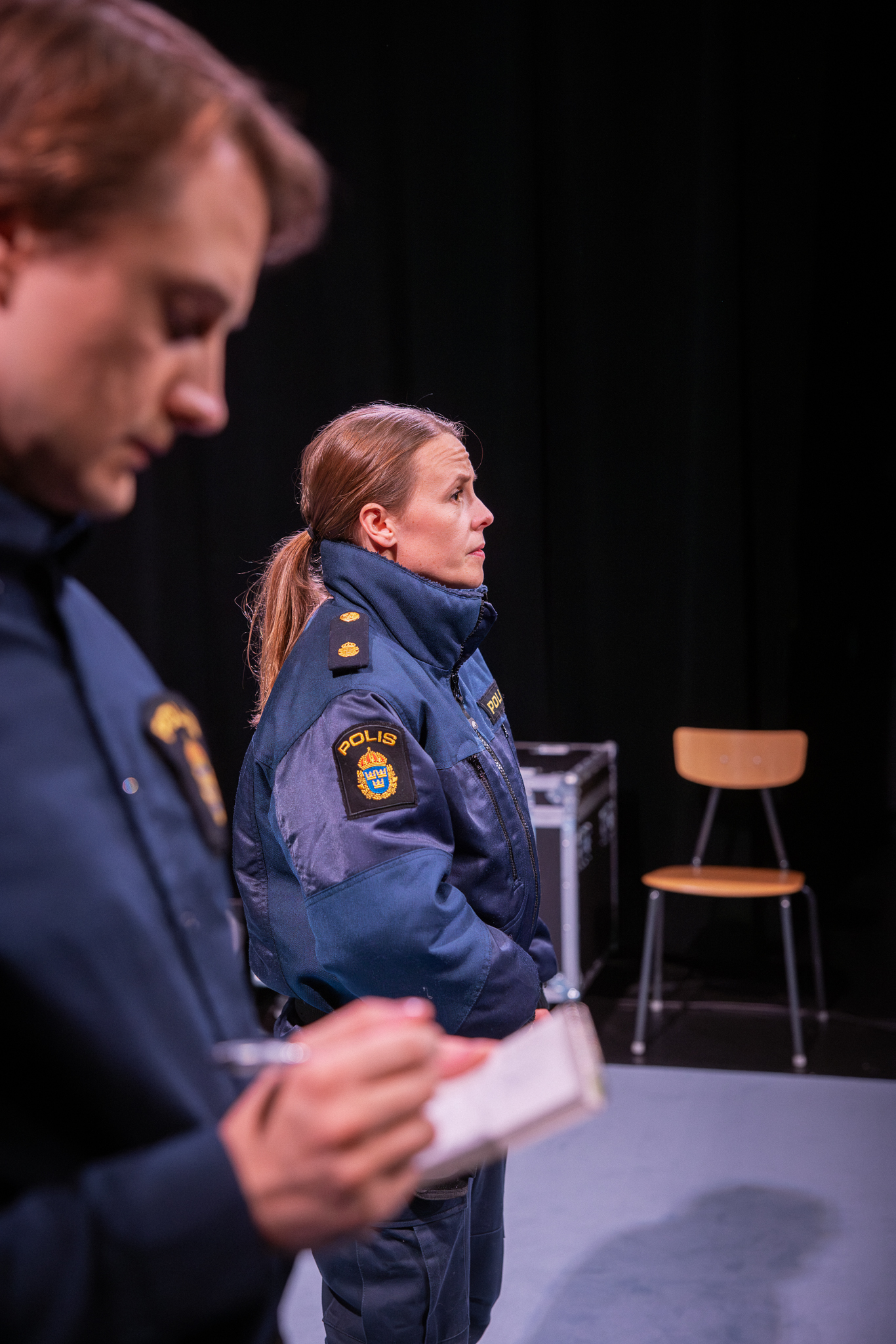
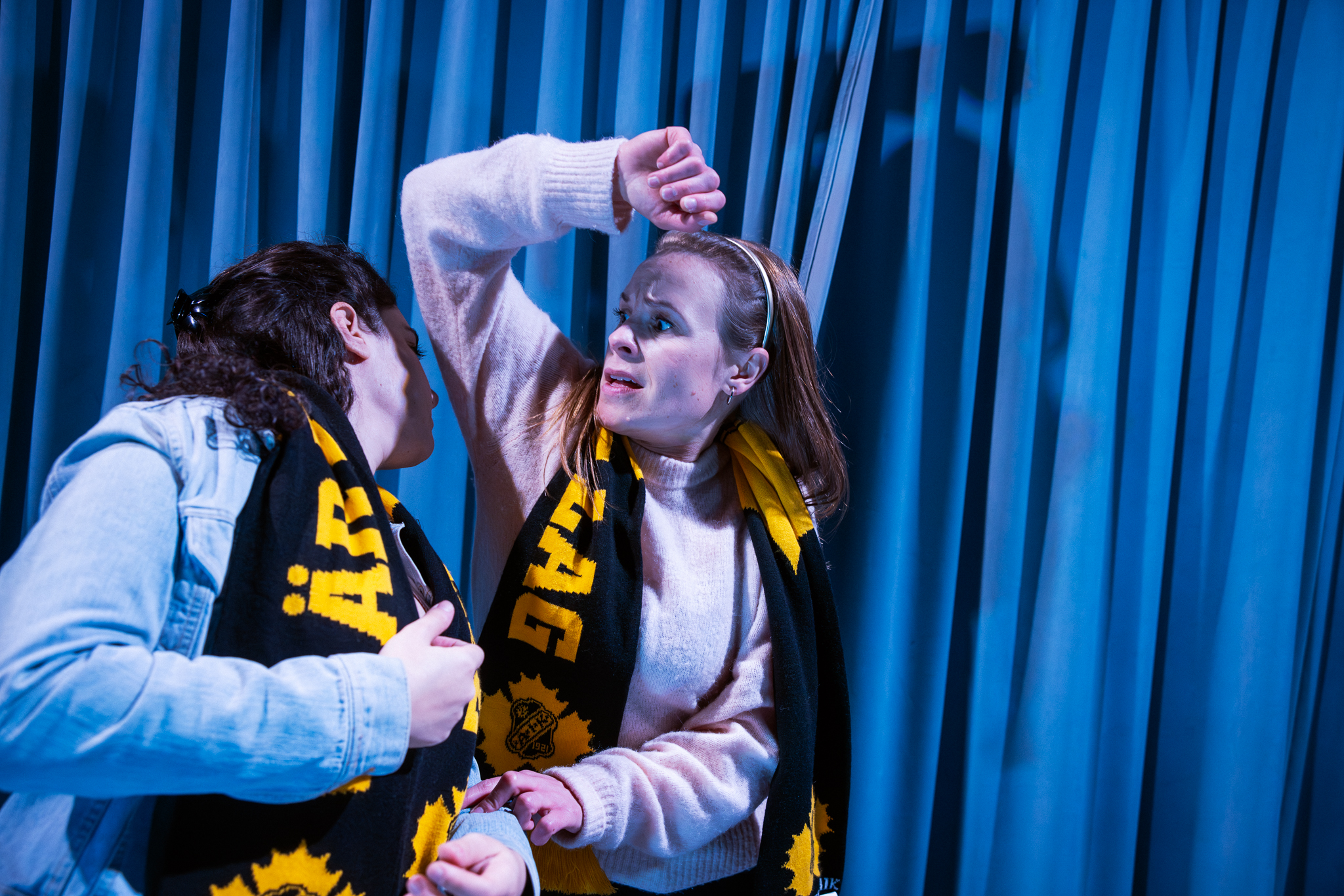
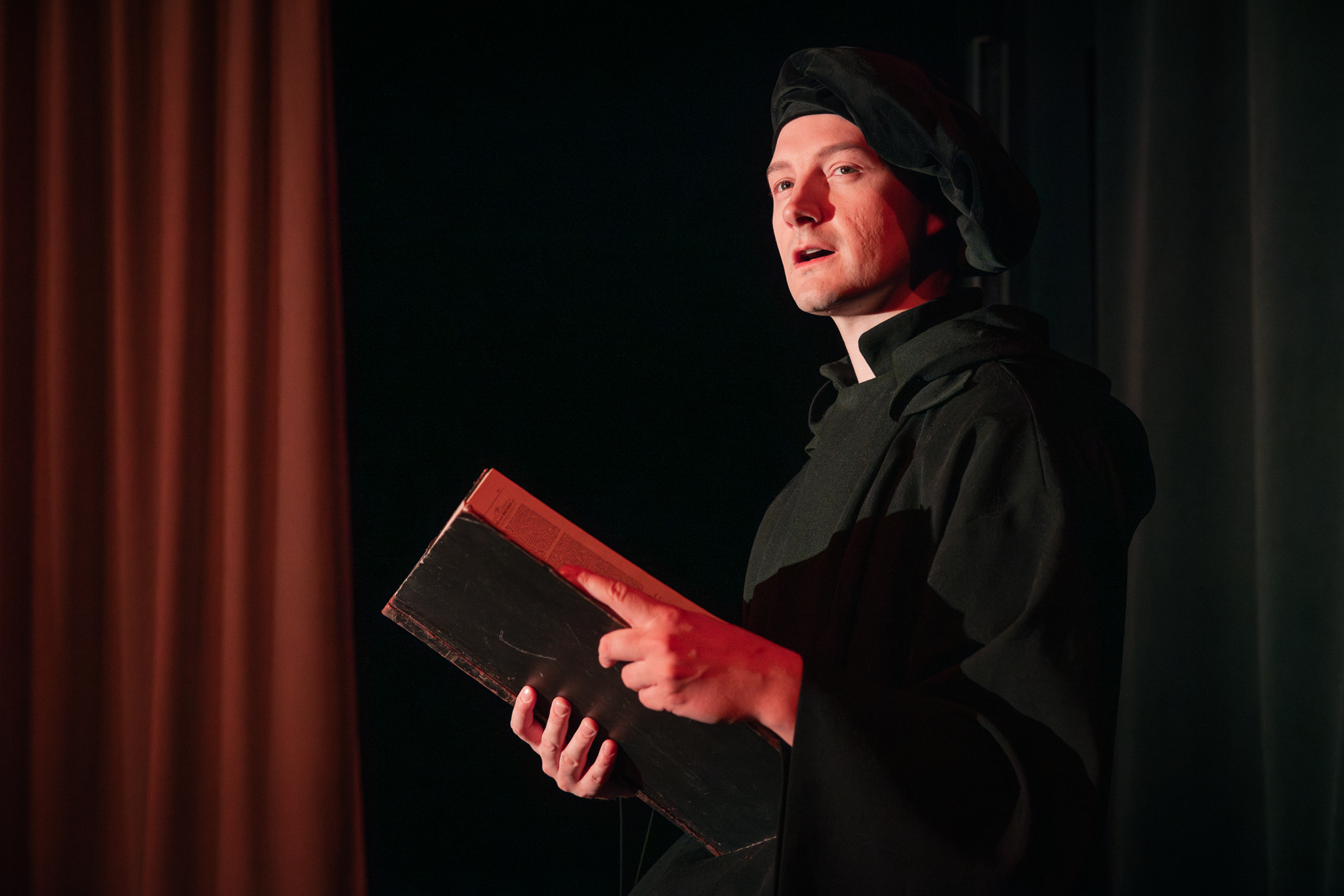
Cast: Nils Lundqvist, Firelle Najjar, Elesine Naucler, Konrad Samsel
Scripts: UngHästen and Oskar Thunberg
DIRECTOR: Oskar Thunberg.
SCENOGRAPHY & COSTUME DESIGN: Maja Döbling
ASSISTANT DIRECTOR: David Åkerlund
LIGHTING: Albin Åkerman & David Larsson Skoog
SOUND: Erik Sköld
STAGE MANAGER/CUTLER: Jonas Åberg
DECORATOR: Catarina Berglind
DIRECTOR: Nina Muhonen Marklund
WRITERS: Ulrica Marklund, Terese Larsson
TEACHER: Albin Avander
EDUCATOR & HEAD OF DEPARTMENT: Malin Lundqvist
PHOTO CAPTION: Lisalove Bäckman
PRESS PHOTOS: Patrick Degerman
ARTISTIC DIRECTOR: Johanna Salander
CEO & PUBLISHER: Challa Gustavsson
Thanks to studios and other staff involved
Thank you to all of you who made this performance possible:
Men for Women's Peace - Bert Öhlund
Länsförsäkringar
Västerbotten
Boliden
Region Västerbotten
Lena Stenvall
Tove Olsson
Lars Melin
Johanna Larsson
Stefan Åkesson
Jens Ohlin
Johan Zetterling
Last but not least, a BIG thank you to all the amazing students and informants we have met in Västerbotten County and talked to for What is violence?
Convention on the Rights of the Child, Article 19:
"Children shall be protected from all forms of physical or mental violence, injury, abuse, neglect, maltreatment and sexual exploitation."
When you need to talk to someone?
- Student health - Teacher, counselor or school nurse
- BRIS - 116 111 or bris.se is open around the clock.
- The youth clinic in your municipality.
- Police - 114 14 (emergency: 112)
You are not alone.
There is always someone willing to listen and help.
Making a show about violence is a bit like making a show about life itself. The subject is so broad that it is impossible to discern its full scope from any single point of view. It is full of contradictions and paradoxes. Violence is everywhere and nowhere. It is visible and mapped in almost every discipline of human knowledge, but it has no discipline of its own. In the library, books on violence do not have their own shelf, they are scattered on all the other shelves.
I think most people see violence as a natural part of life. We may shun and abhor it, but we live in a kind of acceptance that it will always be there as a threat or an opportunity, in small and large ways. For example, I have fantasized about how I would protect my children if there was a war. At the same time, I sometimes raise my voice to my children, as I think most parents do at times. But when the children do comply, it's not because they magically come to a realization or suddenly know better. They do it because my adult male voice serves as a reminder of who has the physical advantage.
While violence may be part of our nature, physical violence is decreasing. Not all physical violence, not all the time. But the trend over time is clear, whatever the method of measurement. In archaeological excavations of Stone Age burial sites, as many as 20-30% of all people seem to have died a violent death. According to criminologist Manuel Eisner, in Stockholm in the 15th century there were about 45 murders and manslaughters per 100,000 inhabitants per year. In the 18th century the figure was less than 5. BRÅ has looked at the cause of death register in modern times. In 1991, 1.4 people per 100 000 inhabitants in Sweden died a violent death. By 2021, the figure had dropped to 1. So we are doing something right in the civilizational project. The times may seem bleak, but our efforts - over time - do seem to be making a difference
Oskar Thunberg,
screenwriter & director
Time & place
Performing in Skellefteå and on tour during the fall semester of 2026.
Length of performance
Length of school performances: 70 minutes + 50 minutes of wrap-up/post-performance discussion.
Age
Recommended from age 15
A maximum of 60 students in the audience.
Prices
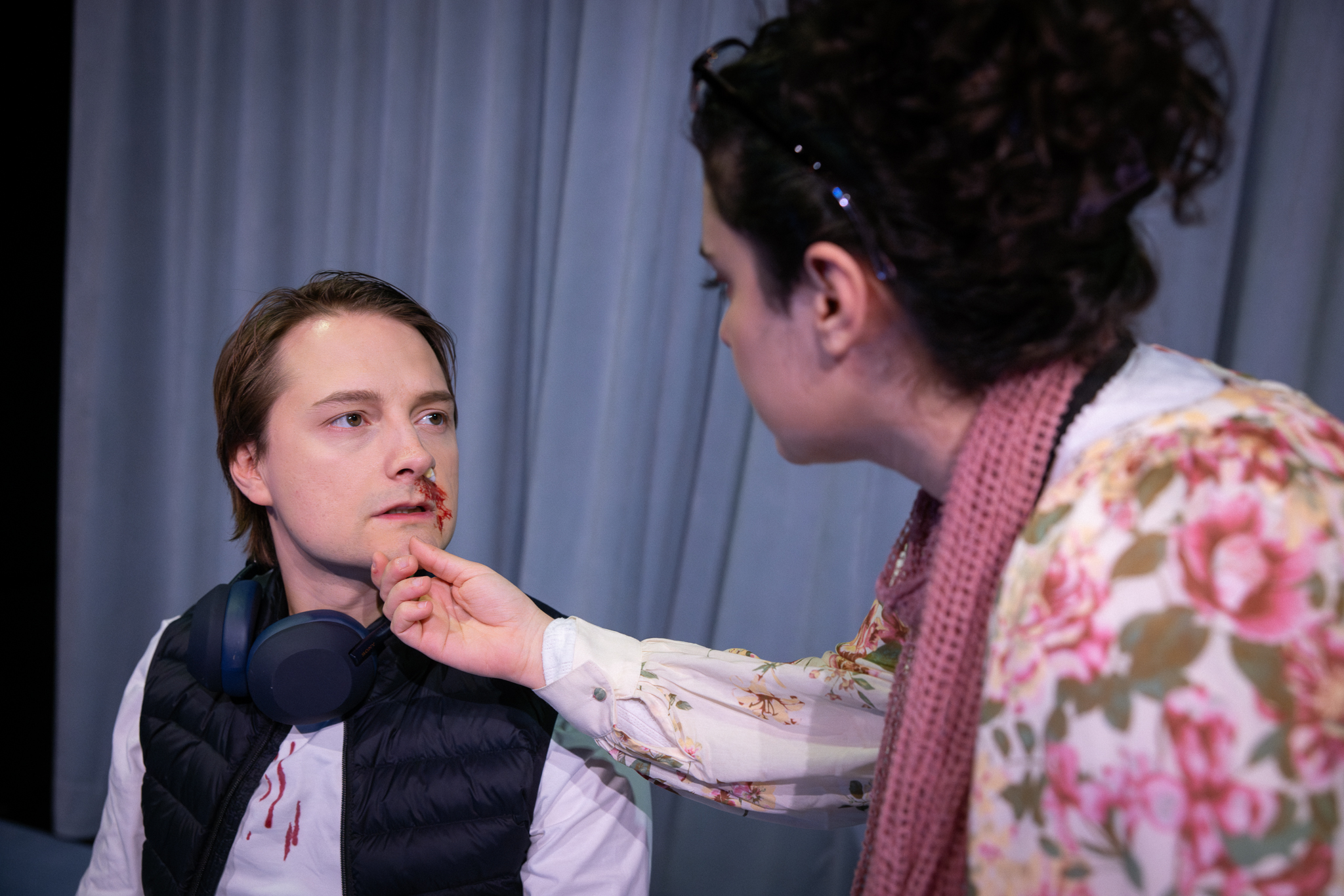
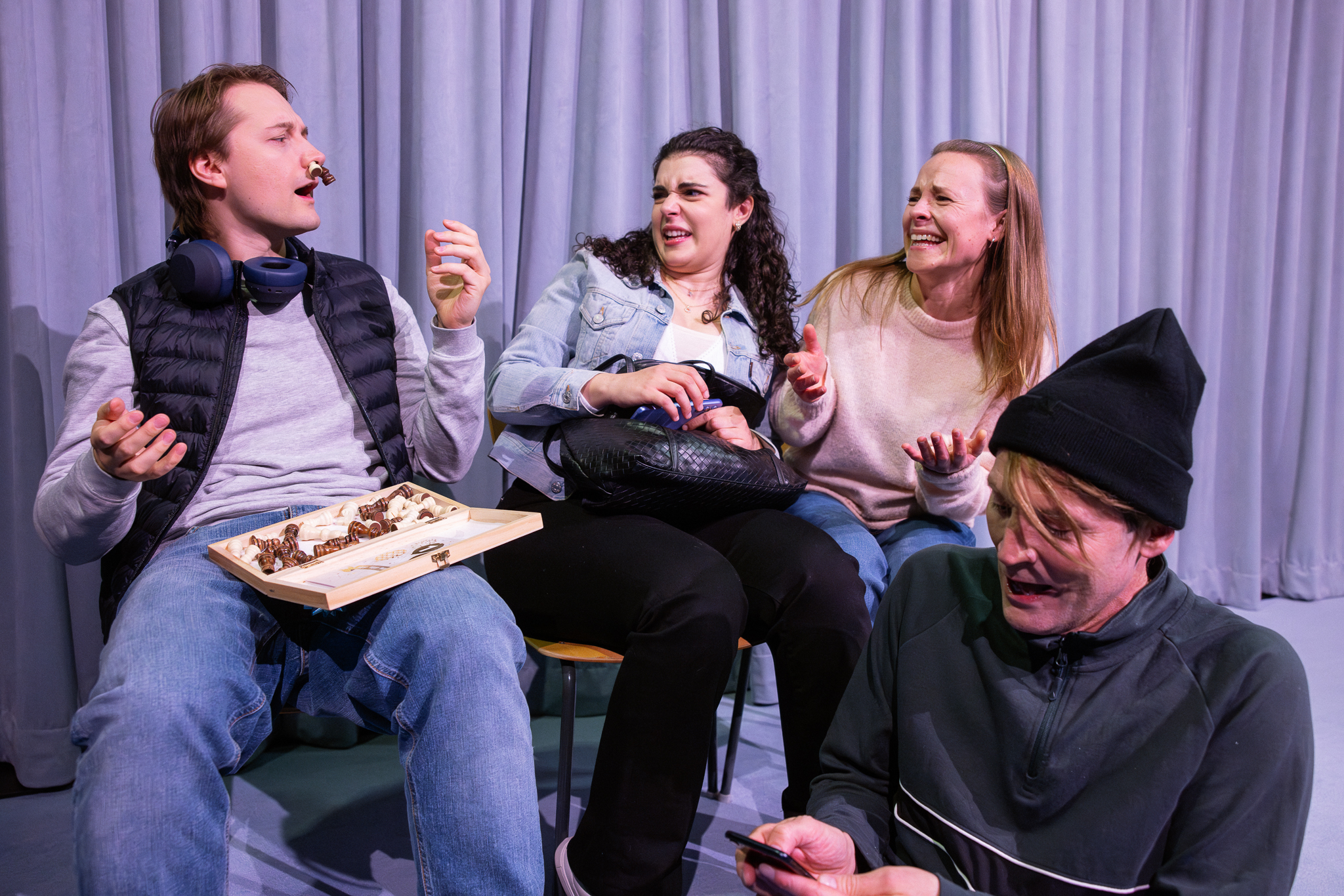
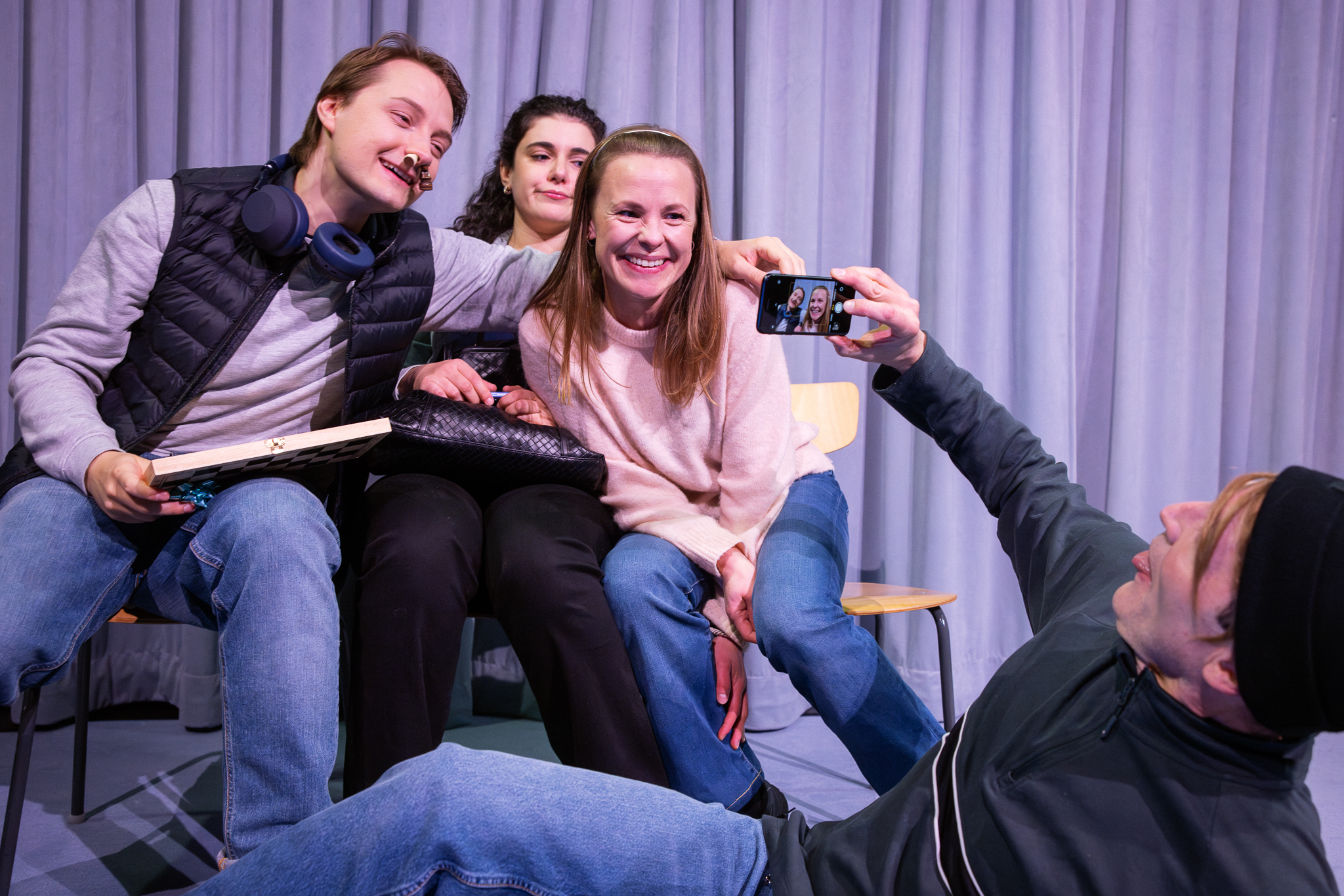
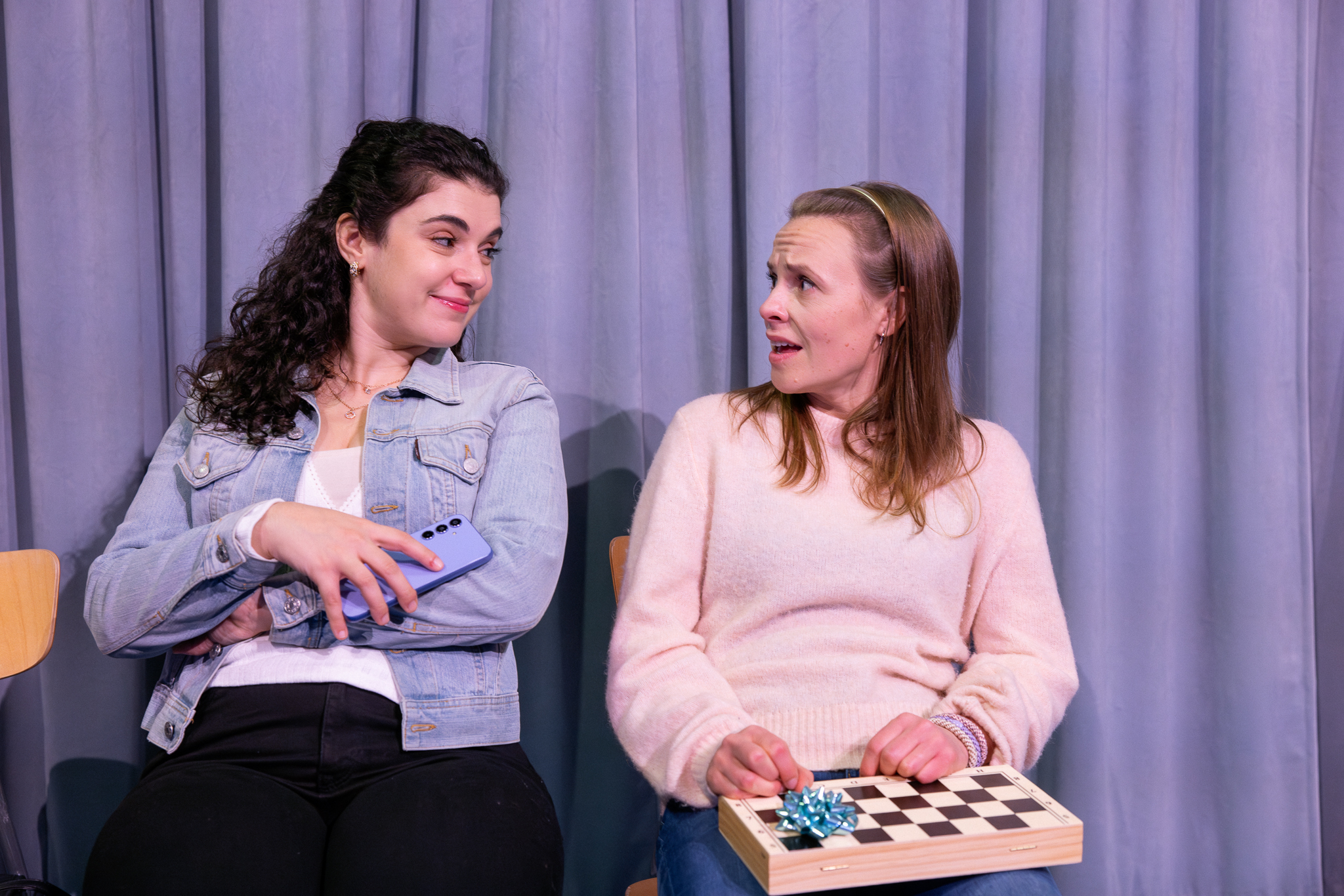
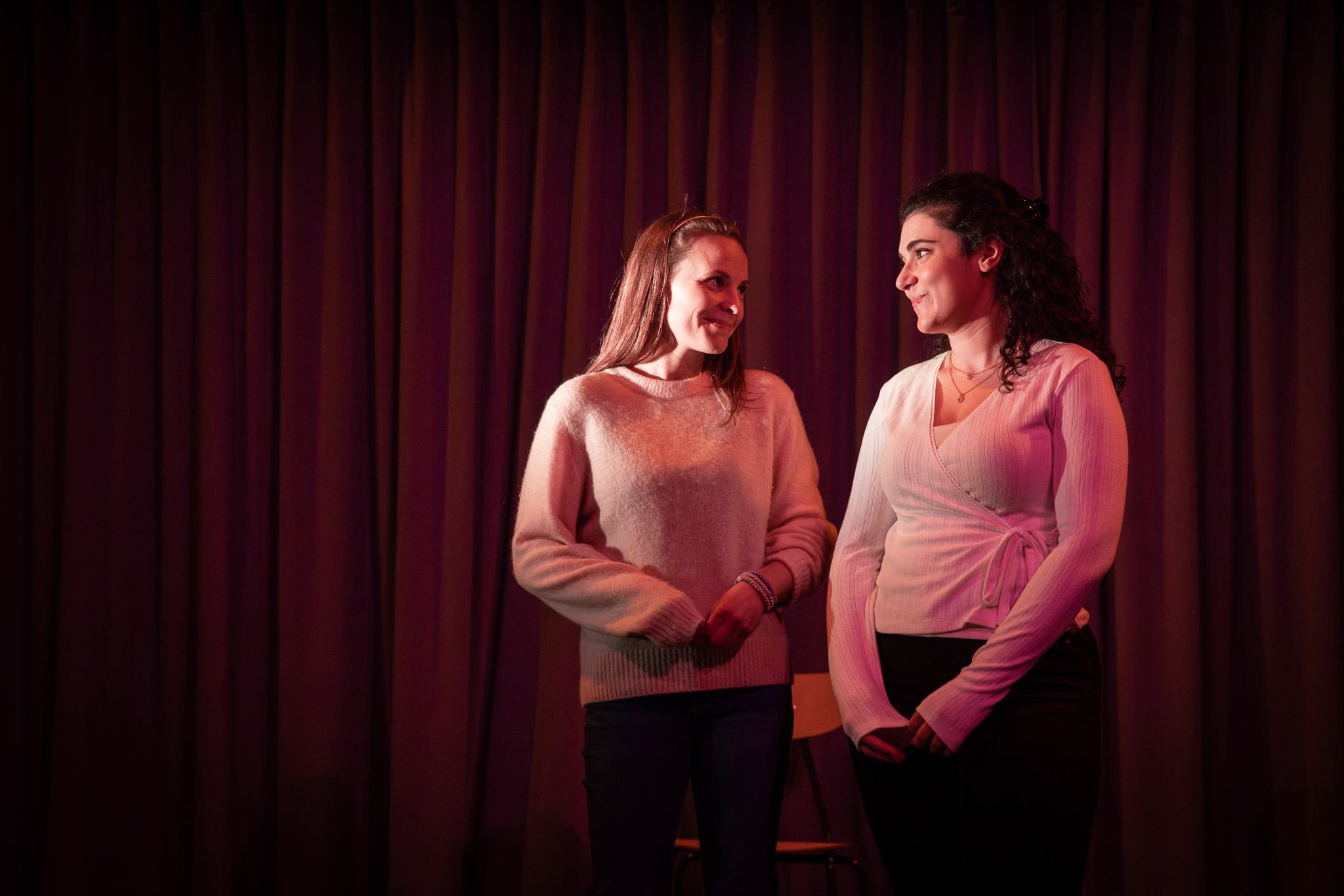
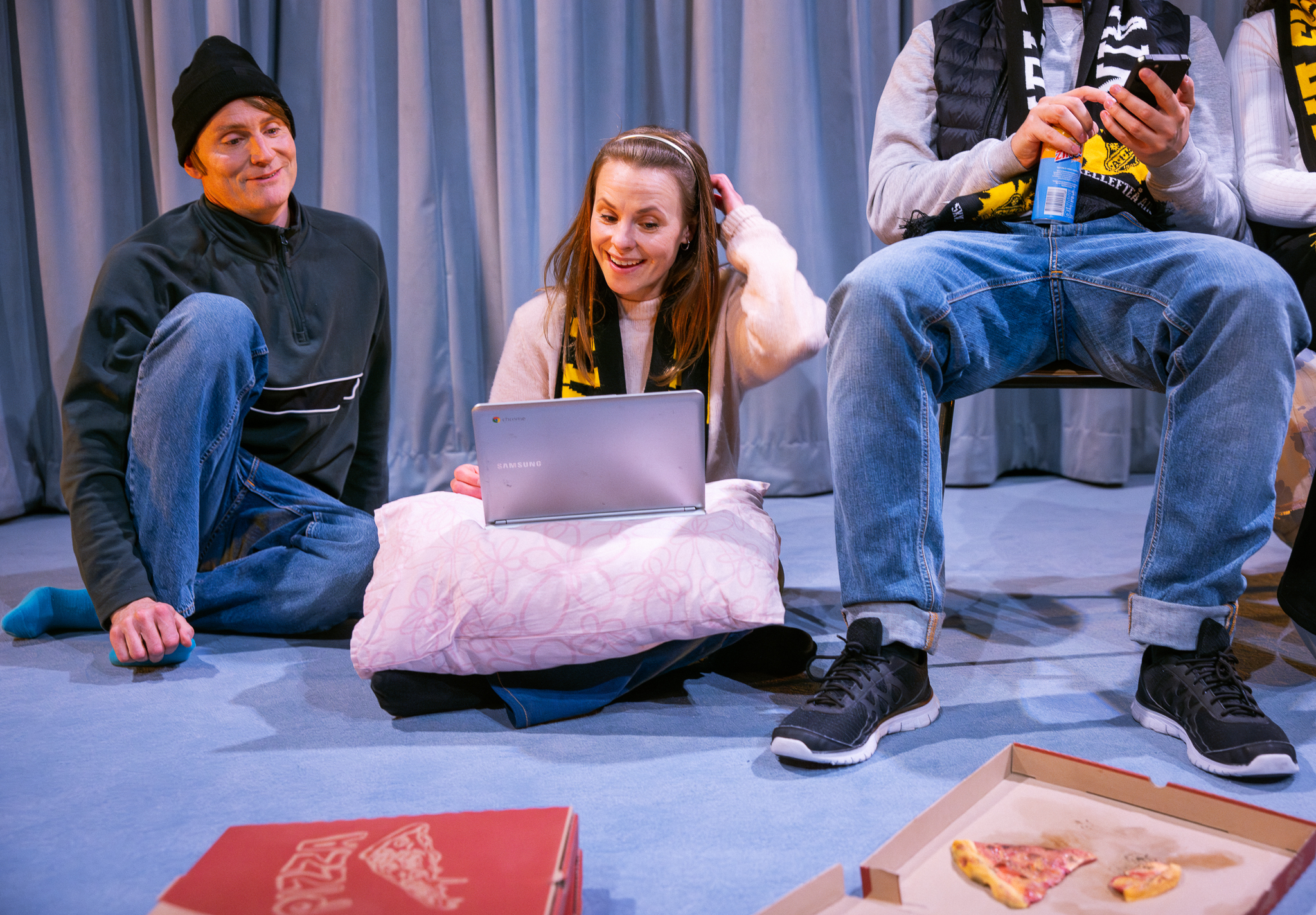
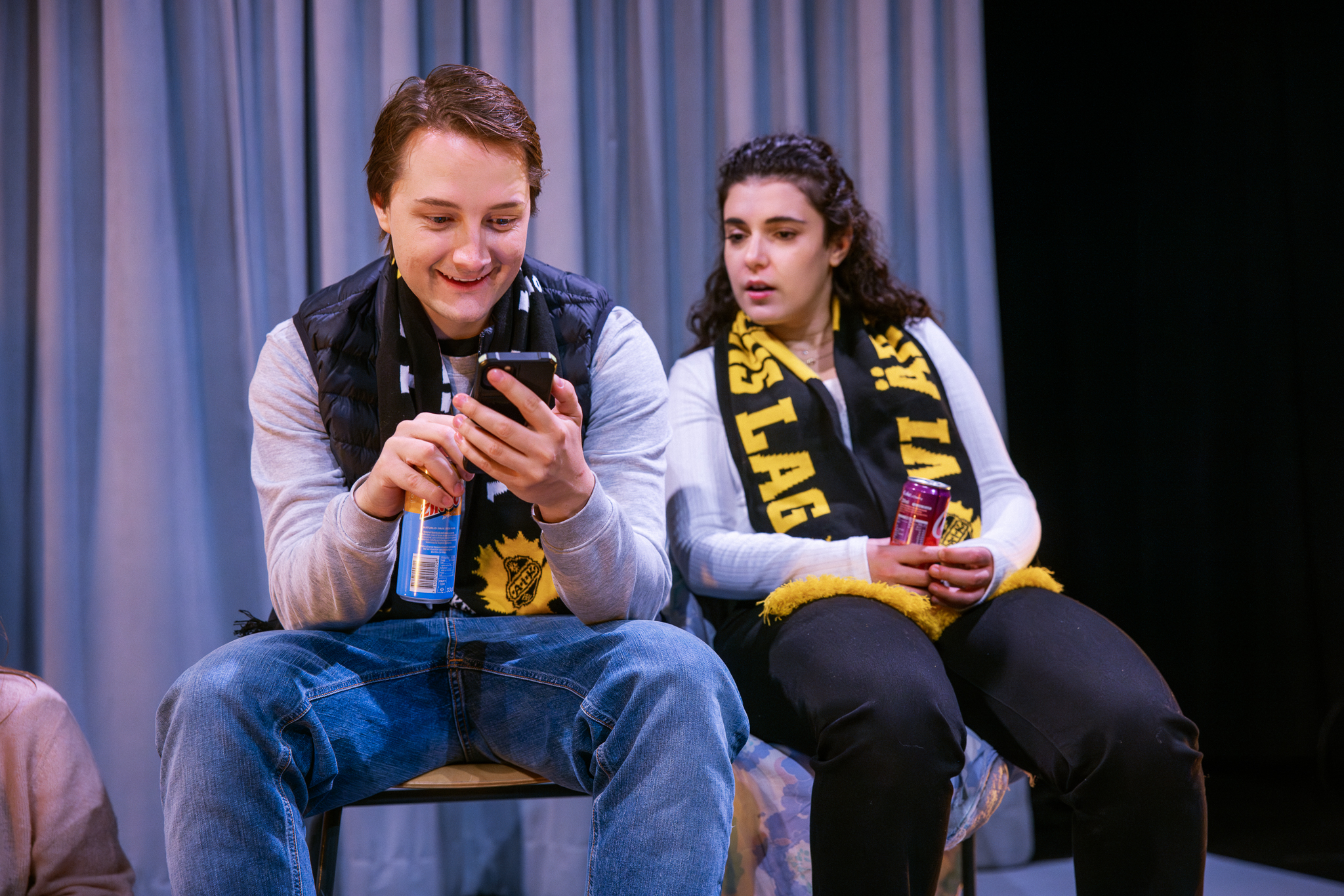
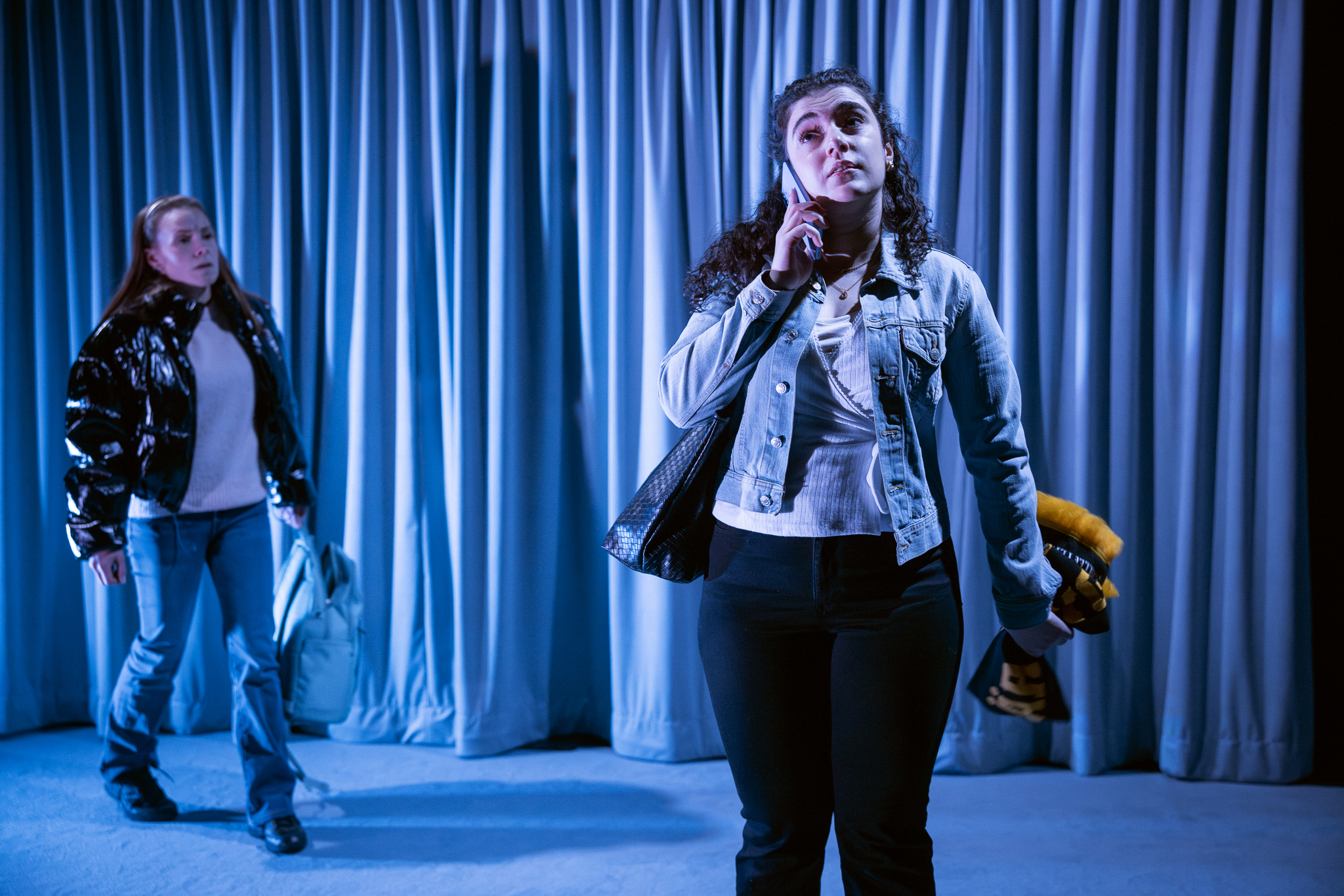
Pictures from the show